
May 5, 2026
/
The Importance of Healthcare Labels for the Medical Industry
Proper healthcare labels protect patients, guide staff, and ensure facilities meet strict legal standards. Hospitals, clinics, and pharmacies rely heavily on these markers to keep operations running smoothly. Without them, the risk of dosage errors, lost equipment, and compliance violations skyrockets.
You need to know how to choose the right materials, adhere to safety guidelines, and apply best practices across your organization. Using the correct healthcare labelling prevents costly mistakes and saves lives. Below, we’ll explain the different types of medical labels, the rules you must follow, and how to select the best options for your facility.
What Labels Do Healthcare or Medical Field Settings Commonly Require?
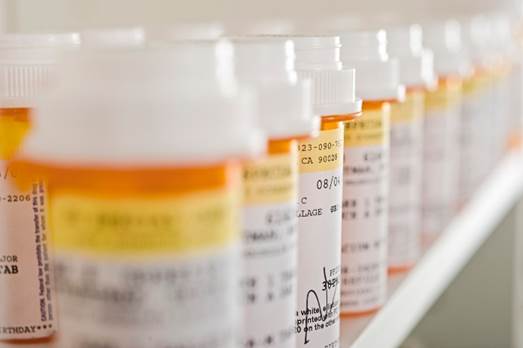
Medical environments depend on a wide variety of labels to maintain order and safety. Pharmacists use prescription labels to provide patients with critical details, such as dosage instructions, warnings, and prescribing physician information. Hospitals use patient identification labels, often placed on wristbands or charts, to prevent mix-ups during busy shifts.
Labs require highly specialized specimen labels for accurate sample tracking and diagnostics. If a blood or tissue sample loses its identification, the diagnostic process grinds to a halt. Additionally, facilities use caution and warning labels to mark hazardous materials, controlled substances, and restricted areas.
The Critical Role of Mandatory Compliance and Safety Labels
Medication errors are one of the biggest risks in any clinical setting. To prevent these issues, regulatory bodies enforce strict guidelines on how medical products must be marked. Compliance labels ensure that facilities meet FDA, HIPAA, and OSHA standards.
These labels require clear expiration dates, lot numbers, and specific safety warnings. For pharmaceutical products, anti-counterfeiting features and tamper-evident seals provide an extra layer of security. Failing to use compliant healthcare industry labelling can result in severe fines and jeopardize patient trust.
How Patient-Friendly Wayfinding and Directional Labels Reduce Anxiety
Hospitals are often large, complex buildings that can confuse visitors and new patients. Wayfinding labels and directional signs help people navigate these massive facilities with ease. By placing clear, colour-coded markers on floors, walls, and doors, administrators can reduce foot traffic congestion and lower patient anxiety.
When patients can easily find the pharmacy, the emergency room, or a specific clinic, staff spend less time giving directions and more time providing care. These directional tools are a simple but highly effective way to improve the overall patient experience.
Streamline Inventory with Equipment and Asset Identification Labels
Medical facilities house millions of dollars worth of specialized equipment. Tracking these assets is a massive undertaking. Asset tags and equipment labels allow administrators to monitor the location and maintenance schedules of everything from wheelchairs to MRI machines.
Accurate healthcare logistics labels streamline inventory management and prevent theft. Many modern asset labels include barcodes or RFID tags, allowing staff to quickly scan items and update digital databases in real time. This ensures that life-saving equipment is always ready and available when doctors need it most.
Why Label Durability and Material Selection Are Critical in Healthcare
Have you ever tried reading a chart only to find the ink completely smudged? In a clinical setting, labels must withstand harsh conditions. Medical labels face exposure to moisture, extreme heat, freezing temperatures, and strong chemical disinfectants.
Choosing the right material is vital. Labels used on medical devices must withstand sterilization processes such as autoclaving or gamma radiation. Laboratory labels applied to test tubes might need to remain stuck in cryogenic storage without peeling or cracking. You must select waterproof, chemical-resistant substrates paired with strong, medical-grade adhesives to ensure information remains readable over time.
Custom vs. Standard Healthcare Labels
Have you ever tried reading a chart only to find the ink completely smudged? In a clinical setting, labels must withstand harsh conditions. Medical labels face exposure to moisture, extreme heat, freezing temperatures, and strong chemical disinfectants.
Choosing the right material is vital. Custom healthcare labels used on medical devices must withstand sterilization processes such as autoclaving or gamma radiation. Laboratory labels applied to test tubes might need to remain stuck in cryogenic storage without peeling or cracking. You must select waterproof, chemical-resistant substrates paired with strong, medical-grade adhesives to ensure information remains readable over time.
Common Labelling Mistakes to Avoid
Choosing the wrong label can lead to serious issues in a medical setting. Here are a few common mistakes to avoid:
- Choosing a Weak Adhesive – A label that falls off a hazardous waste container or a patient file poses a significant risk. Ensure your labels can withstand hospital-grade cleaning supplies and varying temperatures.
- Ignoring Regulatory Requirements – Using labels that lack FDA-mandated information or tamper-evident features can put your practice at risk of legal action.
- Accepting Poor Print Quality – Unreadable barcodes and illegible text can cause dangerous mix-ups. Always partner with a reliable manufacturer who uses advanced printing technology and high-quality materials to avoid these pitfalls.
Secure Safety with Proper Medical Labelling
Medical environments leave no room for error. From tracking laboratory samples to dispensing critical prescriptions, the right labelling system keeps your facility compliant, organized, and safe. By understanding the different materials, regulations, and applications available, you can build a more efficient workspace. Evaluate your current inventory, identify areas where durability or readability falls short, and upgrade your supplies to protect your staff and your patients. Contact Glenwood Labels in Vancouver, BC today for custom labelling solutions.